



What does a vascular surgeon do?
What does a vascular surgeon do?
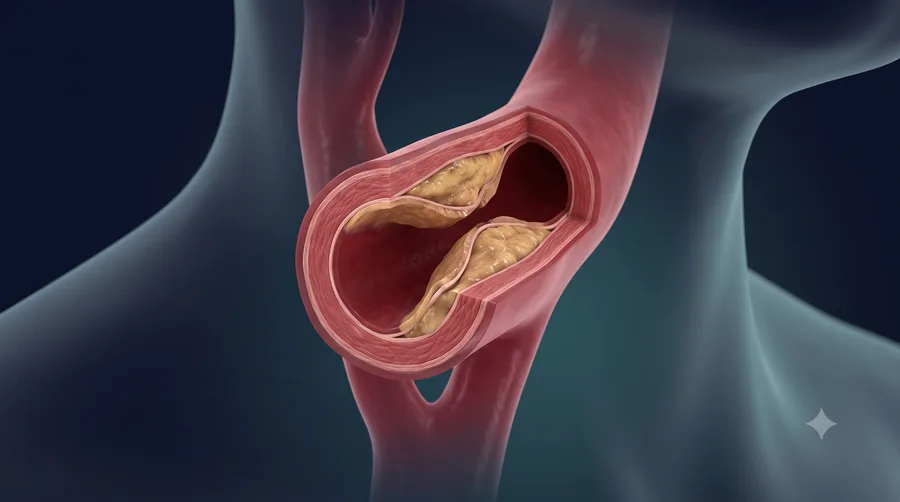
A vascular surgeon diagnoses and treats diseases of the blood vessels — arteries, veins and the lymphatic system. Their work ranges from the consultation and Doppler ultrasound to surgery and minimally invasive endovascular procedures.
Which conditions does a vascular surgeon treat?
The most common are varicose veins, peripheral artery disease, venous thrombosis, aortic aneurysms, the diabetic foot, lymphoedema and Raynaud’s phenomenon. Also less common conditions such as lipoedema or compression syndromes.
When should you see a vascular surgeon?
It is worth consulting for painful varicose veins, swollen legs with no clear cause, wounds that will not heal, pain when walking that forces you to stop, or colour changes in the feet and hands. The sooner it is assessed, the better the outlook usually is.
What treatments does a vascular surgeon perform?
From treating varicose veins (sclerotherapy, endovenous laser or surgery) to endovascular aneurysm repair, carotid surgery, arterial bypass or vascular access for dialysis. Many procedures are minimally invasive.
Looking for a vascular surgeon in Madrid? Get to know Dr. Mosquera’s clinic.
Dr. Vicente Mosquera Rey
Specialist in Angiology and Vascular and Endovascular Surgery
Frequently asked questions
What is a vein specialist called?
The doctor who specialises in veins is the angiologist and vascular surgeon. This specialty deals with the diagnosis and treatment of diseases of the circulatory system: arteries, veins and lymphatic vessels.
Which doctor treats varicose veins?
Varicose veins are treated by the angiologist and vascular surgeon, who decides whether the most suitable treatment is conservative (compression stockings, lifestyle) or interventional (sclerotherapy, endovenous laser or surgery).
Which doctor treats poor circulation in the legs?
The angiologist and vascular surgeon is the specialist of reference, whether the origin is arterial (atherosclerosis, ischaemia) or venous (varicose veins, thrombosis). The Doppler ultrasound and diagnosis are carried out in the consultation.
When should you see an angiologist?
If you have visible or painful varicose veins, legs that swell by the end of the day, night cramps, foot wounds that will not heal, or colour changes in the feet and hands. Consulting early helps to avoid complications.