1. What is it?
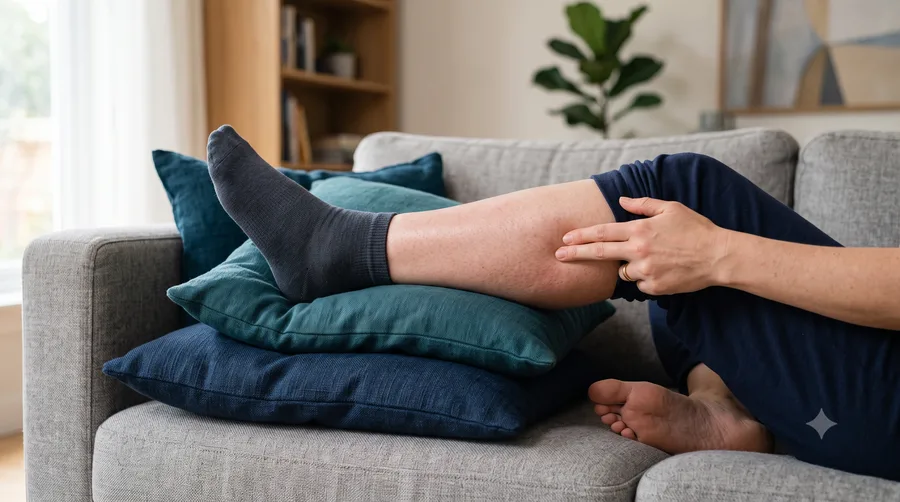
Lipedema is an abnormal, symmetric buildup of fat in the legs (and sometimes the arms) that almost always affects women. It is a chronic disorder that is frequently underdiagnosed.
It is neither obesity nor lymphedema, although it is often confused with both. A characteristic clue: it spares the feet, so the increased volume ends abruptly at the ankle.

2. Clinical presentation
Lipedema has features that help distinguish it:
- Column-shaped, symmetric legs that contrast with normal-sized feet.
- Pain or tenderness to touch and pressure.
- A tendency to bruise easily.
- Little response to diet in the affected area.
The differential diagnosis with lymphedema is key: lymphedema is usually asymmetric, affects the foot, and does not hurt in the same way. Telling them apart helps guide the right treatment.
3. Treatment
Lipedema has no definitive cure, but it can be managed in ways that improve symptoms and quality of life. The mainstay is conservative: compression garments, adapted exercise, skin care, and weight control. In selected cases, specific approaches are considered. The most important thing is starting from an accurate diagnosis.
Frequently asked questions
How do I know if I have lipedema or just extra weight?
Lipedema symmetrically affects the legs (and sometimes the arms), spares the feet, is painful to the touch, and bruises easily; it also responds poorly to diet in those areas. A professional diagnosis confirms it.
How does it differ from lymphedema?
Lymphedema is usually asymmetric, affects the foot, and pits when pressed; lipedema is symmetric, spares the feet, and is painful. Telling them apart is key because treatment differs.
Can lipedema be cured?
There is no definitive cure, but it can be managed with compression, adapted exercise, skin care, and weight control. In selected cases, other approaches are considered. The essential first step is an accurate diagnosis.