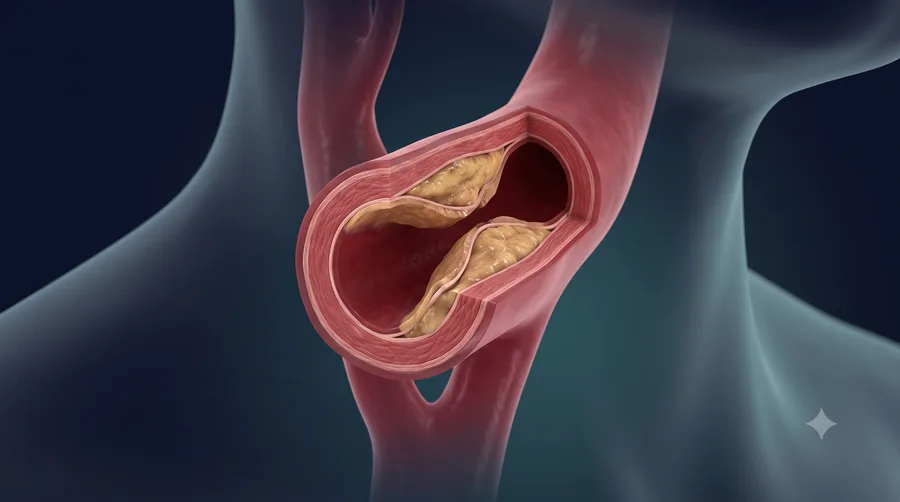
1. What is it?
Lymphedema is a chronic condition characterized by the abnormal accumulation of fluid, usually in the limbs.
Definition: the lymphatic system is a network of vessels and nodes that collect excess tissue fluid and proteins and return them to the bloodstream. Lymphedema occurs when this system is obstructed or damaged and cannot perform its drainage function.
Types:
Primary lymphedema: genetic or congenital in origin. Present from birth or adolescence.
Secondary lymphedema (more common): acquired as a result of an external event that damages the lymphatic system. The most frequent cause is cancer treatment, specifically lymph node removal or radiotherapy. Other causes include infections or trauma.
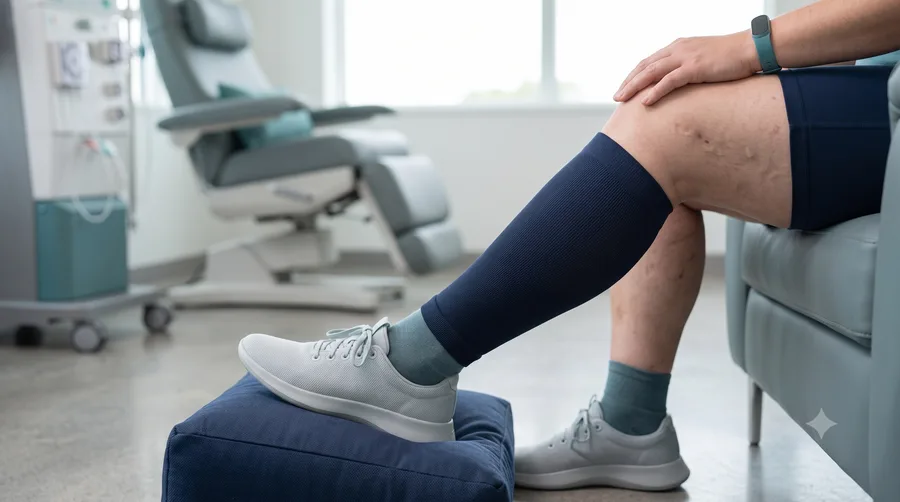
2. Clinical presentation
The symptoms of lymphedema are chronic and progressive if not managed properly.
- Persistent swelling (edema): the hallmark symptom is chronic swelling of a limb. It is initially soft but becomes hard and fibrous over time.
- Heaviness and pain: a feeling of heaviness or tightness.
- Skin changes: the skin becomes dry and tight, and over time may develop a rough texture.
- Recurrent infections: the retained lymphatic fluid makes the limb much more prone to infection.
- Functional limitation: the swelling and hardening can limit joint mobility and overall limb function.
3. Treatment
Lymphedema is a chronic condition with no cure, but it can be managed very effectively. Treatment aims to control the edema, prevent complications (infections), and improve the patient's quality of life. The basic mainstay is decongestive therapy through lymphatic drainage, custom-fitted compression garments, specific exercise, and meticulous skin care.
Frequently asked questions
How can I tell lymphedema apart from lipedema?
Lymphedema is usually asymmetric, affects the foot, and pits when pressed; lipedema is symmetric, spares the feet, and is painful to the touch. Telling them apart is key to choosing the right treatment.
Can lymphedema be cured?
There is no cure, but it can be managed very well. The mainstay is decongestive therapy (drainage and compression), skin care, and exercise; in selected cases, specific surgery is an option.
Can it appear after breast cancer?
Yes, it is a common cause: lymph node removal or radiotherapy can damage lymphatic drainage and lead to arm lymphedema. Early diagnosis improves management.
More information
Related articles about symptoms and questions on lymphedema.
- › Lipedema: when and why to see a vascular surgeon Lipedema is often confused with obesity and lymphedema. What it is, why a vascular surgeon assesses it, and how it's treated. By Dr. Mosquera, Madrid.
- › Lymphedema: when an arm or leg swells and won't go down Lymphedema is chronic swelling caused by poor lymph drainage that affects the limbs. Symptoms, diagnosis and treatment, by a vascular surgeon.
- › Lymphedema, lipedema and venous edema: how to tell them apart Lymphedema, lipedema and venous edema are often confused but are different conditions. Learn to tell them apart by their signs and why it matters for treatment.
- › Lymphedema surgery: why it's exceptional today Lymphedema surgery is rarely performed: today's treatment of choice is conservative (drainage, pneumatic compression, compression and skin care).