1. What is it?
Diabetic foot is a complication of diabetes that arises from a combination of nerve and circulatory damage, in which restoring blood flow is often key.
Definition: it is defined as an ulcer or infection on the foot of a patient with diabetes, often associated with nerve damage (neuropathy) and/or vascular damage (peripheral arterial disease).
How it develops:
Neuropathy: nerve damage causes the patient to lose sensation, making it harder to detect wounds, blisters, or foreign objects, which allows injuries to progress unnoticed.
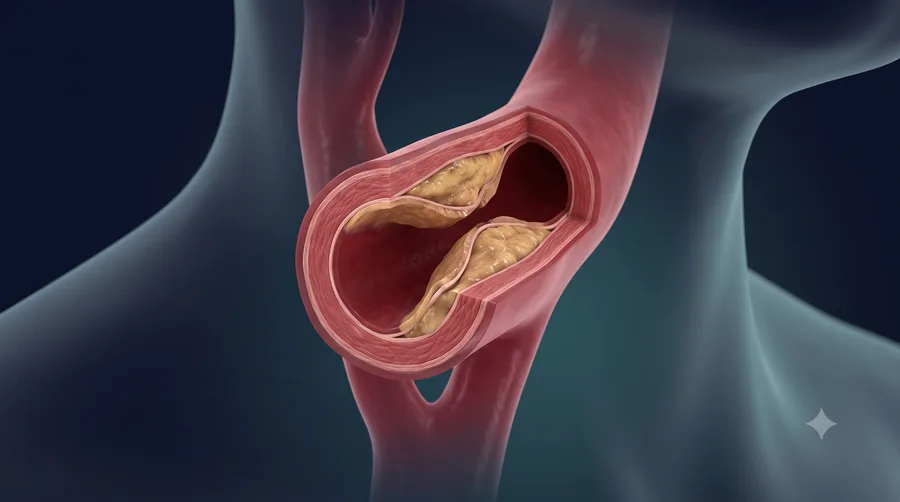
Peripheral arterial disease (PAD): diabetes causes the arteries to narrow and become blocked, preventing enough blood, oxygen, and antibiotics from reaching the wound. Without adequate blood flow, the ulcer cannot heal and the infection progresses.

2. Clinical presentation
The clinical presentation ranges from a small blister to severe infection.
- Loss of sensation: the patient cannot feel the damage, allowing ulcers and deep lesions to develop undetected.
- Chronic ulcers: wounds that appear frequently and fail to heal within the expected time.
- Signs of ischemia: cold, pale skin and absent pulses in the foot.
- Infection and necrosis: inflammation, discharge, and, in the most severe cases, gangrene.
3. Treatment
Treatment ranges from prevention (meticulous foot care, appropriate footwear, etc.) to treating lesions with wound care and, when needed, revascularization.
Frequently asked questions
Why won't a wound on a diabetic patient's foot heal?
Often due to poor blood flow (arterial disease): without enough blood, oxygen, and antibiotic reaching the area, the ulcer fails to heal and the infection progresses. Restoring circulation is key to healing.
Can amputation be avoided?
In many cases, yes, especially when treated in time. Revascularization of the ischemic foot, together with wound care, aims precisely to save the limb.
What role does the vascular surgeon play in diabetic foot disease?
Their central role is to assess and restore blood flow (revascularization) when circulation is inadequate, working in coordination with the rest of the team caring for the wound.
More information
Related articles about symptoms and questions on diabetic foot.
- › Diabetic Foot and Poor Circulation: Why Blood Flow Matters In diabetic foot disease, poor circulation stops wounds from healing. Why blood flow is essential and what revascularisation involves.
- › Foot wound or ulcer that won't heal: why it happens and what to do A foot ulcer that won't heal can indicate poor blood flow, especially in people with diabetes. Warning signs and why circulation is key.
- › Signs of poor blood flow in the diabetic foot Cold feet, calf or sole pain when walking or at rest, or wounds that won't heal: signs of poor blood flow in the diabetic foot.